You’ve spent years building your emergency food supply. Freeze-dried meals. Canned goods. Water storage. First aid supplies. You’re prepared.
Or are you?
Here’s an uncomfortable question: When did you last check expiration dates on your preps? If you’re like most preppers, the honest answer is “I’m not sure”—and that uncertainty could mean your carefully built supplies are partially useless when you need them most.
The Expiration Problem Nobody Talks About
A survey of 500+ preppers revealed a troubling pattern:
- 47% had expired food in their emergency supplies
- 62% couldn’t name the oldest item in their stockpile
- Average age of “forgotten” preps: 4.3 years past purchase
- 38% had expired medications in their first aid kits
Real Story: “I was rotating stock and found canned goods from 2019. Water that had been sitting for 5 years. Medical supplies that expired in 2021. I thought I was prepared. I wasn’t.” — Tom, Montana
Why Expiration Tracking Fails
Most preppers start with good intentions. They buy supplies, store them properly, and plan to rotate. Then life happens:
1. Out of Sight, Out of Mind
Preps stored in basements, closets, or off-site locations don’t get regular attention. That bucket of rice you bought in 2020? Still sitting there, slowly degrading.
2. No System = No Rotation
Without a tracking system, FIFO (First In, First Out) is impossible to maintain. You grab whatever’s in front, leaving older supplies buried in the back.
3. Overwhelming Inventory
A serious prepper might have 500+ individual items. Tracking expiration dates for that many items manually is a full-time job nobody has time for.
4. Different Expiration Timelines
Freeze-dried food lasts 25 years. Canned goods last 2-5 years. Water should be rotated every 6-12 months. Medications expire annually. Keeping track of different timelines is complex.
The True Cost of Expired Preps
Beyond the financial waste of throwing out expired supplies, consider the real danger:
- False confidence: You believe you’re prepared when you’re not
- Nutritional degradation: Expired food loses vitamins and calories even if “safe”
- Medical risk: Expired medications may be ineffective or harmful
- Water contamination: Improperly stored water grows bacteria
- Discovery at worst time: You find out your preps failed during the emergency
Building an Expiration Tracking System That Works
Step 1: Establish Your Rotation Categories
Group items by rotation frequency:
- 6-month rotation: Water, batteries, fuel
- 1-year rotation: Medications, some canned goods, opened items
- 2-3 year rotation: Most canned foods, commercial first aid supplies
- 5+ year rotation: Freeze-dried meals, certain preserved foods
- Long-term (10-25 years): Properly stored bulk grains, honey, salt
Step 2: Implement FIFO Organization
FIFO (First In, First Out) means using oldest supplies first:
- Date everything when purchased (use permanent marker)
- Store newest items in back, oldest in front
- When restocking, pull old items forward before adding new
- Integrate rotating stock into regular meal planning
Step 3: Create a Tracking System
Choose a method that matches your inventory size:
For small stockpiles (under 50 items):
- Simple spreadsheet with item, location, and expiration date
- Set calendar reminders for rotation checks
For medium stockpiles (50-200 items):
- Dedicated inventory app with expiration alerts
- Barcode scanning for faster entry
- Automated notifications before items expire
For large stockpiles (200+ items):
- Full inventory management system
- Location tracking (which shelf, which container)
- Batch tracking for bulk purchases
- Reporting on upcoming expirations by month
Get Expiration Alerts Before It’s Too Late
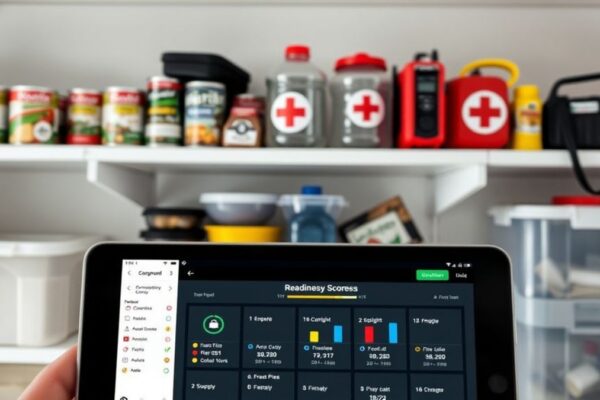
ZeroMyGear’s Prep Coach tracks expiration dates across all your supplies and sends alerts before items go bad. Know your true readiness score at a glance.
Step 4: Schedule Regular Audits
Even with a tracking system, physical audits matter:
- Monthly: Quick visual check of high-rotation items (water, batteries)
- Quarterly: Check items expiring in next 90 days, rotate into use
- Annually: Full inventory audit, update all records, check storage conditions
The “Readiness Score” Concept
Smart preppers think beyond simple inventory. Consider tracking a “Readiness Score” based on:
- Percentage of supplies within expiration date
- Days of food/water coverage for household size
- Critical gaps in supplies (missing categories)
- Condition of equipment (tested, maintained)
A readiness score transforms vague “I’m prepared” into concrete “I have 94% readiness with 3 items expiring next month.”
What To Do With Expiring Supplies
Don’t waste expiring preps. Options include:
- Rotate into daily use: Eat canned goods before they expire
- Donate: Food banks accept unexpired donations
- Training use: Use expiring first aid supplies for practice
- Compost: Expired food can feed gardens
- Pet food: Some expired human food is fine for animals
Monthly Prep Audit Checklist
- Check water storage dates and condition
- Test flashlight and radio batteries
- Review items expiring in next 30 days
- Verify medications are current
- Check fuel storage (generator, vehicles)
- Update inventory for any items used
The Bottom Line
Prepping without expiration tracking is like having a fire extinguisher you’ve never inspected. It might work. It might not. And you won’t find out until you desperately need it.
True preparedness isn’t just about accumulating supplies—it’s about maintaining them. A smaller, well-rotated stockpile beats a large collection of expired goods every time.
Start tracking today. Your future self—the one who actually needs these supplies—will thank you.