
You pay your insurance premiums faithfully every month. You have comprehensive coverage. You feel protected. Then disaster strikes – a house fire, a flood, a break-in – and you discover a devastating truth: coverage doesn’t mean much without proof.
This is the documentation problem that insurance companies don’t advertise and most homeowners don’t discover until it’s too late. You’re about to learn why that $50,000 firearms collection, that $15,000 camping and hunting gear setup, or that $8,000 home gym might only get you a fraction of its value when you need it most.
The Documentation Problem: Coverage Without Proof
Here’s the scenario that plays out thousands of times every year: A homeowner files a claim after a disaster. They have insurance. They had valuable belongings. But when it comes time to prove what they lost and what it was worth, they’re stuck with vague memories and zero evidence.
Insurance isn’t charity. It’s a contract. And that contract requires you to prove three things for every item you claim:
- Proof of ownership: That you actually owned the item
- Proof of condition: That the item was in working, usable condition
- Proof of value: What the item was actually worth
Without documentation, you’re essentially asking the insurance company to trust your memory about items that no longer exist. And insurance companies, understandably, have heard a lot of creative memories over the years.
What Insurance Companies Actually Require
Let’s break down what adjusters are looking for when they process your claim:
Proof of Ownership
The gold standard is receipts, but adjusters also accept:
- Original purchase receipts or invoices
- Credit card or bank statements showing purchases
- Serial numbers (especially for firearms, electronics, and tools)
- Photos showing items in your home
- Appraisals or valuations
- Registration documents (for firearms)
- Warranty cards
For high-value items like firearms, optics, and specialized equipment, serial numbers are particularly important. They prove not just that you owned “a rifle” but that you owned that specific rifle worth that specific amount.
Proof of Condition
This is where most claims get reduced. You say your hunting rifle was in excellent condition. The adjuster defaults to “average” condition pricing because you have no evidence otherwise. Photos showing clean, well-maintained equipment with timestamps can be worth hundreds or thousands of dollars in claim value.
A single timestamped photo of your gear in good condition can be the difference between “excellent” and “fair” condition pricing – often a 30-50% difference in value.
Proof of Value
What did you pay? What was it worth at the time of loss? These aren’t always the same number, and documentation helps establish both. Original receipts show what you paid. Current market comparisons show replacement cost. Without either, adjusters use depreciation schedules that may significantly undervalue specialized equipment.
What Happens Without Documentation: The $25,000 Lesson
Consider this real scenario that plays out with variations across the country:
A serious hunter and firearms collector loses his home to a fire. His collection included:
- 12 firearms ranging from hunting rifles to collectible pieces
- Optics including premium scopes and rangefinders
- Reloading equipment
- Archery gear including two compound bows
- Camping and hunting equipment accumulated over 20 years
He estimated the total value at approximately $25,000. His insurance policy covered it. But when it came time to file the claim, he had:
- No photos of individual items
- No receipts (most were in a filing cabinet that burned)
- Only a few serial numbers written down (in a notebook that also burned)
- No appraisals
- Memories of what he owned and rough estimates of value
The result? After disputes, negotiations, and frustration, he settled for approximately $12,000 – less than half of what his collection was actually worth. The insurance company wasn’t being malicious; they simply couldn’t verify claims for items with no documentation.
He lost $13,000 not because of his insurance policy, but because of his documentation.
Why Traditional Documentation Methods Fail
You might be thinking, “I’ll just keep better records.” Most people try. Most people fail. Here’s why:
Paper Records: Destroyed with Everything Else
That filing cabinet full of receipts? It burned in the same fire that destroyed your gear. That box of warranty cards in the closet? Flooded along with everything else. Paper records stored in your home are vulnerable to the exact same disasters that destroy your belongings.
Spreadsheets: Good Intent, Poor Execution
Many organized people create spreadsheets listing their valuable items. The problems:
- They’re rarely updated after initial creation
- They don’t include photos
- They’re often stored locally on computers that can be damaged
- They lack the detail adjusters need (serial numbers, condition, purchase dates)
- There’s no backup system
Cloud Photo Storage: Disorganized and Incomplete
You probably have photos of your gear somewhere in your phone’s camera roll or cloud storage. Finding them after a disaster? Good luck scrolling through 15,000 photos looking for that one shot of your scope from three years ago. Even if you find photos, they likely don’t show serial numbers, purchase information, or condition details.
The “I’ll Do It Later” Problem
Perhaps the biggest failure mode: procrastination. Creating proper documentation feels tedious. There’s no immediate reward. So it gets pushed to “someday” – and someday often comes too late.
How ZeroMyGear Solves the Insurance Documentation Problem
This is exactly why we built ZeroMyGear with insurance documentation as a core feature, not an afterthought. Here’s how it addresses every failure point:
Complete Digital Inventory with Photos
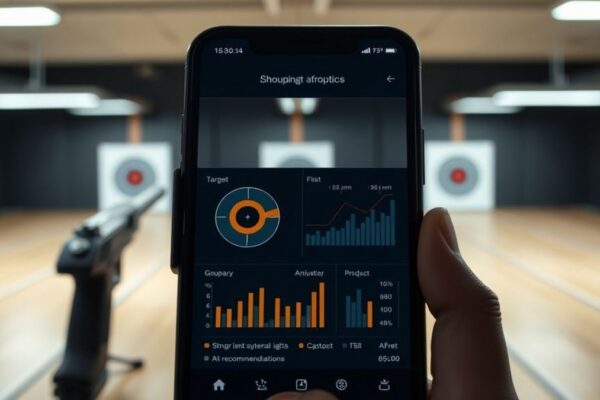
Every item in your inventory can include multiple photos – overall shots, serial number close-ups, condition documentation. The mobile app makes it easy to photograph items as you add them. No separate photo organization needed.
Automatic Cloud Backup
Your inventory data is stored encrypted in the cloud, not on a device in your home. ZeroMyGear stores all data encrypted in the cloud, which means a fire, flood, or theft that destroys your physical belongings can’t touch your documentation. Your records survive even when your gear doesn’t.
Receipt and Document Management
Snap photos of receipts when you buy gear. Attach them directly to inventory items. Store warranty cards, appraisal documents, and registration papers. Everything linked to the right item, backed up automatically, searchable when you need it.
Market Value Tracking
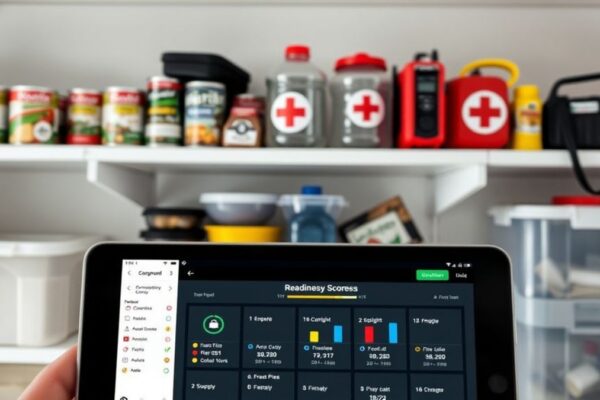
ZeroMyGear tracks current market values for your items, giving you real-time understanding of what your collection is worth. This isn’t just useful for selling – it’s documentation of value that supports insurance claims.
Maintenance and Condition Logs
Log when you clean your firearms. Record when you service equipment. Note condition changes. This creates a documented history that proves ongoing maintenance and condition – exactly what adjusters want to see when determining value.
Export for Insurance Claims
When disaster strikes, ZeroMyGear can export your entire inventory to PDF – a comprehensive document with photos, serial numbers, purchase information, and value data. Hand it to your insurance adjuster and watch them smile. They rarely see this level of documentation.
The Insurance Company Perspective
Here’s something most people don’t realize: insurance adjusters want to process your claim quickly and fairly. Disputes, negotiations, and complaints cost them time and money. A well-documented claim is a gift.
When an adjuster receives a claim backed by:
- Timestamped photos of every item
- Serial numbers for verification
- Purchase receipts or value documentation
- Condition history and maintenance logs
…they can process it quickly, accurately, and with confidence. There’s no guesswork, no suspicion, no need for negotiation. The documentation speaks for itself.
Insurance professionals consistently report that well-documented claims process faster, settle for higher amounts, and involve fewer disputes than undocumented claims.
Beyond Insurance: Other Benefits of Comprehensive Documentation
While insurance claims are the most financially significant reason to document your gear, the same documentation serves several other purposes:
Estate Planning
If something happens to you, your family needs to know what you owned and what it’s worth. A complete inventory with values helps executors handle your estate properly and ensures family members receive fair value for items they may not understand. That $3,000 custom rifle looks like “an old gun” to someone who doesn’t know better.
Theft Reporting
If your gear is stolen, police reports require serial numbers for recovery. Insurance claims require proof of ownership. Without documentation, stolen items are nearly impossible to recover and difficult to claim. With ZeroMyGear, you have serial numbers, photos, and ownership proof ready to share with law enforcement immediately.
Warranty Claims
When gear fails within warranty, manufacturers want proof of purchase. Having receipts attached to your inventory items means you can access them instantly, even years after purchase. No more digging through drawers or emails.
Buying and Selling
When you sell gear, documented maintenance history and condition records increase buyer confidence and sale prices. When you buy used, checking serial numbers against theft databases protects you from unknowingly purchasing stolen goods.
Getting Started: Your Insurance Documentation Action Plan
Ready to protect yourself? Here’s how to build insurance-grade documentation:
Step 1: Start with High-Value Items
You don’t have to document everything at once. Start with items worth $200 or more. These are the items where documentation matters most financially. For most gear enthusiasts, this means:
- All firearms
- Optics (scopes, rangefinders, binoculars)
- Major camping equipment (tents, sleeping bags, packs)
- Electronics
- Archery equipment
- Specialized tools and reloading equipment
Step 2: Capture the Right Information
For each item, document:
- Make, model, and description
- Serial number (photograph it)
- Purchase date and price (attach receipt if available)
- Current condition
- Multiple photos (overall and detail shots)
- Storage location
Step 3: Photograph Serial Numbers
This is crucial for firearms and electronics. Take clear, close-up photos of every serial number. These are your proof that you owned that specific item, not just “a shotgun” or “a scope.”
Step 4: Attach Purchase Documentation
As you add items, photograph and attach any receipts, invoices, or appraisals you have. Going forward, make it a habit: buy gear, photograph receipt, attach to inventory. Takes 30 seconds, potentially worth thousands.
Step 5: Update Regularly
Set a reminder to review your inventory quarterly. Add new purchases. Update conditions. Remove items you’ve sold. An outdated inventory is better than nothing, but a current inventory is better than outdated.
Step 6: Verify Cloud Sync
Confirm your data is syncing to the cloud. ZeroMyGear does this automatically, but verify it’s working. Your backup is your lifeline – make sure it exists.
The Cost of Not Documenting
Let’s be direct about what’s at stake. If you have:
- $10,000 in gear: Poor documentation could cost you $3,000-5,000 in reduced claim value
- $25,000 in gear: You could lose $8,000-12,000 or more
- $50,000+ collections: The gap can exceed $20,000
These aren’t hypothetical numbers. They’re based on the consistent 40-60% reduction that undocumented claims receive compared to well-documented ones.
The time investment to create proper documentation? A few hours spread over a few weekends. The potential savings? Thousands of dollars and countless hours of claim disputes avoided.
The Bottom Line
Your insurance policy is only as good as your ability to prove your claim. In the aftermath of a disaster – when you’re dealing with loss, stress, and the practical challenges of rebuilding – the last thing you want is a documentation battle with your insurance company.
ZeroMyGear gives you peace of mind that goes beyond just knowing what you own. It’s knowing that if the worst happens, you have the proof you need to recover the full value of your loss. Your data is encrypted, backed up in the cloud, and ready to export when you need it.
The best time to document your gear was years ago. The second best time is today. Don’t wait for disaster to discover the documentation gap.
Protect Your Investment Before Disaster Strikes
Start building your insurance-grade documentation today with ZeroMyGear’s encrypted cloud inventory.