Your first hunt was exhilarating. Everything was new. You borrowed gear from a buddy, followed someone who knew what they were doing, and focused on one simple goal: don’t mess it up completely.
You didn’t mess it up. Maybe you even got lucky and filled a tag. You went home thinking, “I can do this.”
Then came season two.
Now you’re expected to know things. You’ve bought your own gear. You’re planning your own hunts. And suddenly, everything that seemed simple before has fractured into a thousand decisions you’re not quite sure how to make.
Welcome to the second-season struggle—the frustrating purgatory between “complete beginner” and “competent hunter” where most people get stuck, lose confidence, or slowly drift away from the sport entirely.
The Second-Season Challenge: Too Much Knowledge, Not Enough Expertise
Here’s what nobody tells you about learning to hunt: the first season is actually the easiest.
As a total beginner, you had one advantage—you didn’t know what you didn’t know. Ignorance provided a strange kind of focus. You pointed where your mentor pointed. You sat where they told you to sit. You pulled the trigger when they said shoot.
Now? You know just enough to be dangerous to your own success.
You understand that wind matters, but not exactly how to read it in your specific hunting area. You know your rifle shoots “pretty flat” to 200 yards, but you’re not sure what “pretty flat” actually means when a buck is standing at 187 yards and the wind is gusting. You’ve heard that scent control is important, but you’re not sure if your current setup is working or if you’re just getting lucky.
“The dangerous thing about the second season isn’t what you don’t know—it’s what you think you know but haven’t actually mastered.”
This in-between phase is where hunters face four critical challenges that experienced mentors handle intuitively but second-season hunters struggle with constantly.
Challenge #1: The Gear Selection Problem
Your first hunt, someone else solved the gear problem for you. “Bring this, wear that, don’t forget these.”
Now you’re standing in front of your own growing gear collection asking: What do I actually need for THIS hunt?
The variables are overwhelming:
- Weather conditions: Is 45 degrees “cold weather gear” territory? What about with 15 mph wind? What if it drops to 32 by afternoon?
- Terrain type: Do you bring the heavy boots for the steep stuff or the lighter ones for covering ground? Both?
- Hunt duration: Day hunt packing versus multi-day trip packing are completely different calculations
- Species-specific needs: What worked for whitetail might be wrong for elk, even in similar conditions
You’ve bought good gear. Maybe too much good gear. But knowing which combination of items creates the optimal loadout for a specific hunt? That’s experience-level knowledge you haven’t built yet.
So you do what every second-season hunter does: you overpack. Your pack weighs 15 pounds more than it needs to because you’re hedging against uncertainty. You’re slower, more tired, and carrying options you’ll never use while possibly leaving behind the one thing you actually needed.
Challenge #2: The Ballistics Confusion
You’ve zeroed your rifle. Probably at 100 yards, because that’s what everyone says to do. You’ve put enough rounds downrange to feel confident at the bench.
But hunting isn’t bench shooting.
The questions that keep second-season hunters up at night:
- My rifle is zeroed at 100 yards, but the shot is 250. Where do I hold?
- The wind is blowing left to right at maybe 10 mph. How much does that move my bullet at this range?
- Should I have zeroed at a different distance for this type of hunting?
- Is my ammunition actually optimal for this species at these expected ranges?
- What’s my ethical maximum range with my current skill level?
Experienced hunters have internalized this information through years of practice and study. They know their rifles intimately. They’ve developed intuition backed by hundreds of rounds of field practice.
You’ve shot maybe 200 rounds total, half of them at paper from a bench. You understand the concepts but haven’t built the instinctive knowledge that makes in-field decisions automatic.
The gap between “understanding ballistics” and “knowing your specific rifle’s behavior in field conditions” is where missed shots and lost opportunities live.
Challenge #3: The Skills Gap
You know you need to practice. But practice what?
Shooting skills are obvious, but even there, the options are overwhelming. Do you practice offhand? Prone? Sitting? With shooting sticks? Off your pack? From a tree stand? At what distances? In what conditions?
Beyond shooting, the skill tree branches endlessly:
- Scouting and sign reading
- Wind estimation
- Range estimation (with and without technology)
- Animal behavior patterns
- Stalking and movement
- Calling techniques
- Field dressing and meat care
- Navigation and land reading
Experienced hunters know which skills matter most for their specific hunting style. They’ve identified their weaknesses through seasons of feedback. Their practice is targeted because they understand exactly where their gaps are.
Second-season hunters practice unfocused—or worse, practice things they’re already decent at while ignoring critical weak points they don’t even recognize as problems yet.
Challenge #4: Maintenance and Readiness Blind Spots
Your gear looked fine when you put it away last season. But “looked fine” and “hunt ready” aren’t the same thing.
Second-season hunters commonly discover problems at the worst possible moments:
- The scope that shifted zero during off-season storage
- The bowstring that’s developed invisible wear
- The GPS with dead batteries and corrupted waypoints
- The pack straps that deteriorated in the garage heat
- The ammunition that’s been through too many temperature cycles
- The rangefinder that’s reading 15 yards off because nobody calibrated it
Experienced hunters have maintenance routines built through painful lessons. They know exactly when to check what, and they do it automatically before each season.
You don’t have those routines yet. You don’t even know what routines you need.
What Second-Season Hunters Actually Need
Here’s the fundamental problem: the knowledge gap between beginner and competent hunter is massive, and it traditionally only closes through years of accumulated experience, mistakes, and—if you’re lucky—mentorship from someone who’s already figured it all out.
What would actually help is having access to an experienced hunter who:
- Knows your exact gear inventory inside and out
- Understands the specific hunt you’re planning
- Can recommend exactly what to bring (and what to leave behind)
- Knows your rifle’s specific ballistic profile
- Can create a practice plan targeting your actual needs
- Remembers when each piece of gear was last maintained
- Proactively alerts you to readiness issues before they become problems
That mentor would compress years of learning into actionable guidance specific to your situation.
That’s exactly what we built.
Introducing Hunt Coach
Hunt Coach is ZeroMyGear’s AI-powered hunting mentor—built specifically to bridge the second-season gap.
Unlike generic hunting advice that treats every hunter and situation the same, Hunt Coach knows your gear. It understands your inventory, tracks your equipment’s history, and provides recommendations based on what you actually own and how you actually hunt.
Think of it as having a seasoned hunting buddy who has memorized your entire gear collection, studied your planned hunt conditions, and shows up ready to help you prepare properly.
Optimal Gear Layouts for Every Hunt
Tell Hunt Coach where you’re going, when, and what you’re hunting. The AI analyzes your complete inventory against the specific conditions and recommends exactly what to bring.
Hunt Coach Gear Recommendations Include:
- Primary gear selections optimized for expected conditions
- Clothing layers matched to temperature ranges and activity levels
- Backup items worth the weight versus those to leave behind
- Gear you own that’s often overlooked but valuable for this hunt type
- Items in your inventory that might need attention before the trip
No more overpacking “just in case.” No more leaving behind something critical because you didn’t think of it. Hunt Coach provides experienced-hunter-level loadout planning based on your actual equipment and your specific hunt.
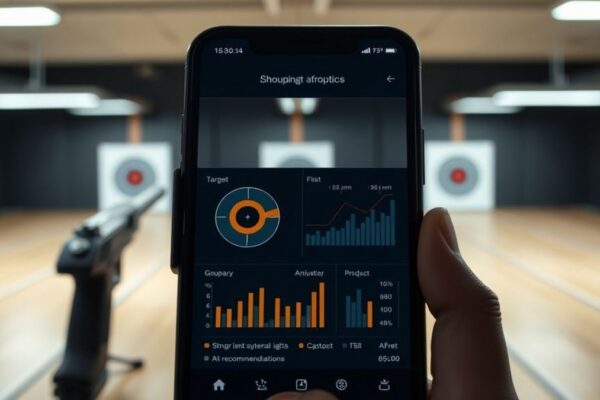
Personalized Ballistics and Zeroing Recommendations
Hunt Coach analyzes your firearm data, your typical hunting scenarios, and your upcoming hunt conditions to provide rifle-specific guidance.
Instead of generic advice, you get targeted recommendations:
- Zero distance optimization: Based on your rifle, cartridge, and typical shot distances, should you consider a different zero?
- Holdover references: For your specific setup, what are the practical holdovers at 150, 200, 250 yards?
- Wind drift data: Your cartridge’s actual drift at hunting distances in various wind conditions
- Ammunition analysis: Is your current ammo optimal for this species and expected range?
- Ethical range assessment: Based on your logged shooting data, what’s a realistic maximum distance?
The AI doesn’t replace range time—it makes your range time count by telling you exactly what to verify and practice.
Practice Session Planning Based on Gear and Goals
Hunt Coach creates targeted practice plans based on your upcoming hunts, your current skill gaps, and your available time.
Planning a tree stand hunt for whitetail? Your practice plan emphasizes elevated shooting positions, shot timing windows, and realistic hunting distances.
Preparing for a western mule deer hunt? The focus shifts to longer ranges, field positions, wind reading, and shooting from compromised stances.
Every practice recommendation is tied to your specific gear. “Practice shooting from your pack at 200 yards” means something when the AI knows which pack you’re bringing and which rifle you’re shooting.
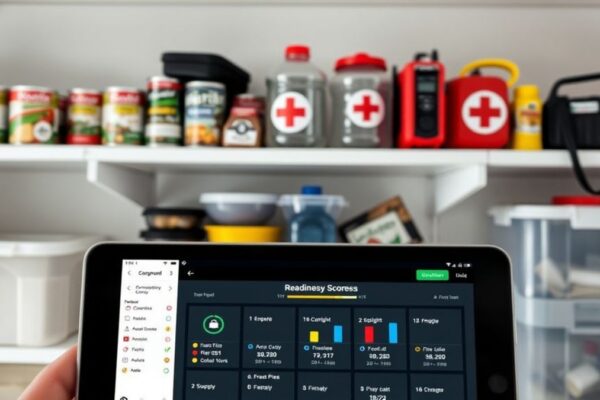
Gear Condition Checks and Maintenance Alerts
Hunt Coach tracks maintenance history across your entire inventory and proactively alerts you to readiness issues before they become hunt-day problems.
- Scope hasn’t been verified since last season? Alert.
- Bowstring approaching recommended replacement interval? Alert.
- GPS batteries last replaced 14 months ago? Alert.
- Ammunition stored for multiple temperature cycles? Check recommendation.
- Knife last sharpened before your most recent trip? Reminder.
The AI builds the maintenance awareness that experienced hunters develop over years—but applies it to your specific gear immediately.
Hunt Coach in Action: A Late October Whitetail Example
Let’s walk through exactly how Hunt Coach transforms hunt preparation for a second-season hunter.
Scenario: 3-Day Whitetail Hunt, Late October, Central Wisconsin
October 28-30, private land in central Wisconsin, mix of tree stand and still hunting, morning temps around 28F rising to 45F, expecting light wind.
The AI reviews your logged gear: two rifles (your .308 and the 6.5 Creedmoor), three scope configurations, complete clothing inventory, multiple pack options, safety equipment, and all accessories.
Hunt Coach recommends the 6.5 Creedmoor for this hunt’s expected shot distances, flags that your scope mount screws were last checked 8 months ago, and builds a complete layering system from your actual clothing inventory optimized for that temperature swing.
Based on your 6.5 Creedmoor’s logged data (140gr Hornady ELD-M, 100-yard zero), Hunt Coach provides your specific holdovers: dead-on to 180 yards, 2″ high at 200, 5.5″ at 250. Wind drift of 3″ at 200 yards with a 10 mph crosswind.
Two weeks before the hunt: verify zero, practice three shots from tree stand simulation at 75-150 yards, practice one cold-bore shot per session. Focus areas: elevated angle compensation and steady hold from sitting position.
Verify scope mount torque, check rangefinder battery, confirm headlamp function, verify tree stand harness inspection date, ensure knife is sharpened—each item linked to your specific gear with last-maintained dates.
What would have taken a second-season hunter hours of research, second-guessing, and probable oversights gets compressed into clear, actionable guidance specific to their exact situation and equipment.
Why This Matters for Second-Season Hunters
The traditional path from beginner to competent hunter takes 3-5 seasons of active learning—longer if you don’t have experienced mentors or make costly mistakes along the way.
Hunt Coach doesn’t replace that learning. You still need to put in range time, study animal behavior, and accumulate field experience. What it does is accelerate the learning curve by eliminating the confusion that keeps second-season hunters stuck.
- Gear decisions become clear instead of overwhelming
- Ballistics become practical instead of theoretical
- Practice becomes targeted instead of scattered
- Maintenance becomes proactive instead of crisis-driven
Every recommendation is based on your actual gear, not generic advice that may or may not apply. That specificity is what transforms Hunt Coach from “another app” into something that functions like a knowledgeable mentor who happens to have perfect memory of everything you own.
Hunt Coach is like having an experienced mentor who knows your exact gear collection, remembers every maintenance date, and shows up before every hunt ready to help you prepare properly.
Getting Started with Hunt Coach
Hunt Coach is built on top of ZeroMyGear’s inventory system. The AI’s recommendations are only as good as its knowledge of your gear—which means the more complete your inventory, the more valuable Hunt Coach becomes.
If you’re already a ZeroMyGear user, your inventory is ready. Hunt Coach can start providing recommendations immediately based on what you’ve already logged.
If you’re new, building your hunting inventory takes about 30 minutes for most gear collections. Once complete, you have both a documented record of your equipment and access to AI-powered guidance that makes every hunt more organized, every practice session more valuable, and every gear decision more confident.
The second-season struggle doesn’t have to last for seasons. Hunt Coach compresses that learning curve by giving you access to experience-level guidance built on your specific gear and your specific hunts.
Your next hunt can feel less like guessing and more like knowing.
Ready to Hunt with Confidence?
Build your gear inventory and let Hunt Coach guide your preparation. Start free and experience what it’s like to have an experienced mentor in your pocket.